

There is a specific sound that defines a perfect weekend morning in my house. It’s not the birds chirping or the distant hum of a lawnmower; it’s the rhythmic, gentle hiss of a sausage hitting a cast-iron skillet. Whether it’s a backyard BBQ in the height of summer or a cozy “bangers and mash” dinner on a rainy Tuesday, sausages are a universal language of comfort food.
But here’s the thing: despite being one of the oldest processed foods in human history (we’re talking ancient Mesopotamia levels of old), most of us are cooking them wrong. We’re also probably a bit confused about what exactly is in them and why that delicious frankfurter you’re eating is named after a city in Germany.
Today, we’re going to peel back the casing on the world of sausages. From health-conscious cooking hacks to the quirky cartoon origins of the “hot dog,” here is everything you probably didn’t know about your favorite protein link.
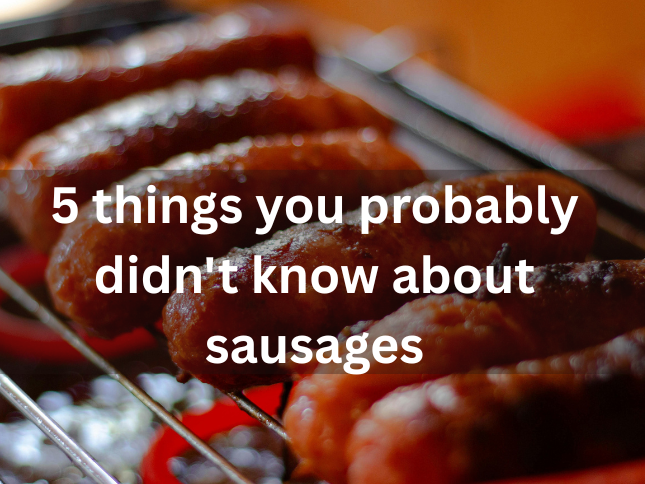
1. The Great Fat Debate: Can You Make a Sausage “Healthy”?
Let’s be honest: the fat is where the flavor lives. It’s what makes a sausage juicy rather than rubbery. However, if you’re watching your waistline or trying to keep your cholesterol in check, the fat content of a standard pork link can be a bit daunting.
The common misconception is that you have to give up sausages entirely to eat healthy. Not true! You just need to change your technique.
The Boiling Myth Many people suggest boiling sausages to “cook the fat out.” While this is true—boiling will definitely reduce the fat content—it comes at a heavy price: flavor. When you boil a sausage, you aren’t just losing fat; you’re losing the seasoned juices and the structural integrity of the meat. You end up with a gray, bland link that feels more like a chore to eat than a treat.
The Pro Tip: The Grill Rack Method If you want to reduce fat without sacrificing your soul, turn to your oven. Place your sausages on a grill rack with a tray underneath. This allows the fat to render out and drip away from the meat rather than letting the sausages sit and “confit” in their own grease.
Quality Over Quantity The most important tip for a healthier sausage is simple: spend the extra two dollars. Cheap sausages are often loaded with “fillers”—extra fats, rinds, and cereals—to bulk them up. A high-quality, butcher-grade sausage has a higher lean-meat-to-fat ratio. It stays plump because of the protein, not because it’s pumped full of water and lard. It is always well worth the investment.
2. The Science of the “Snap”: How to Prevent the Burst
We’ve all been there. You’ve got a beautiful pan of sausages going, and suddenly—POP—one of them splits down the side like an overinflated balloon. All the juices leak out, the meat gets dry, and the presentation is ruined.
Why do sausages burst? It’s all about physics. A sausage casing is a pressurized environment. When you subject it to high heat too quickly, the liquid inside turns to steam faster than the casing can stretch.
The Solution: Low and Slow To get that perfect “snap” without the “splat,” you need patience.
Temperature: Never drop a cold sausage into a screaming hot pan.
Time: Fry or bake them gently. A solid 10 to 12 minutes on medium-low heat is the sweet spot.
The Turn: Use tongs, not a fork! Piercing the skin with a fork is like poking holes in a boat; you’re letting all the delicious moisture escape. Turn them frequently so they develop an even, golden-brown tan all the way around.
3. Sausage, Frankfurter, or Wiener? A Lesson in Geography
If you go to a deli, you might see “Frankfurters,” “Wieners,” and “Hot Dogs” all in the same section. Are they the same thing? Almost, but not quite. The names are actually a map of European culinary history.
The Frankfurter: As the name suggests, this legend hails from Frankfurt, Germany. Traditionally, these were made of pure pork and smoked to give them that distinct aroma.
The Wiener: This one comes from Wien (Vienna), Austria. The “Wiener” was famously a blend of pork and beef, created by a butcher who had trained in Frankfurt but moved to Vienna.
The Hot Dog: This is where the story gets fun. Have you ever looked at a Dachshund (the “wiener dog”) and thought it looked like a sausage? Well, you weren’t the first. Legend has it that a cartoonist back in the day drew a frankfurter tucked into a bun, but he added a head, tail, and legs to make it look like a Dachshund. Because people couldn’t always spell “Dachshund” correctly, the name eventually evolved into the much simpler “Hot Dog.”
4. Meet the Saveloy: The Smoked French Cousin
If you’ve ever visited a traditional British “Chippy” (fish and chips shop), you’ve likely seen a bright red, smooth-skinned sausage sitting in the heated cabinet. That is a Saveloy.
The Saveloy is a bit of a cult classic. It’s made from smoked pork and is highly seasoned. But despite being a staple of London street food for centuries, its name actually has French roots. It comes from the word ‘cervelas’, which originally referred to a pig’s brain sausage (don’t worry, modern saveloys are brain-free and much more appetizing!).
They are usually boiled or steamed and have a distinct, slightly spicy flavor that sets them apart from your standard breakfast banger. If you haven’t tried one with a side of salty chips and vinegar, you’re missing out on a piece of history.
5. The Ultimate BBQ Secret: The “Pre-Cook” Hack
Barbecuing sausages is an art form, but it’s also a minefield. Because a BBQ grill uses intense direct heat, it is incredibly easy to end up with a sausage that is charred and black on the outside but dangerously raw in the middle.
If you want to be the hero of the next cookout, use the Hybrid Method:
The Pre-Cook: Before you even light the charcoal, simmer your sausages in water for about 5 minutes. Alternatively, you can pop them in the microwave on High (100%) for 2–3 minutes.
The Finish: Now that the inside is mostly cooked and the juices are set, take them to the BBQ.
The Result: Because the inside is already safe to eat, you only need the grill to provide that smoky flavor and the crispy, charred exterior. This prevents the outer casing from burning to a crisp while you wait for the center to reach temperature.
6. Bonus Tips for the Sausage Connoisseur
Since we’re diving deep, let’s add a few more “unwritten rules” to help you level up your kitchen game.
Don’t Cook from Frozen
It is tempting to throw a frozen link straight onto the pan, but please, resist. Cooking from frozen almost guarantees a split casing and a “mushy” interior texture. Always thaw your sausages in the fridge overnight for the best results.
The “Resting” Period
Just like a fine steak, a sausage benefits from resting. Once you take them off the heat, give them 2 or 3 minutes on a warm plate. This allows the juices to redistribute so they don’t all spray out on your shirt the moment you take a bite.
Know Your Varieties
Don’t get stuck in a rut! The world of sausages is vast:
Chorizo (Spain/Mexico): Packed with paprika and garlic. Great for adding depth to stews.
Bratwurst (Germany): Often flavored with ginger, nutmeg, and caraway. The king of the beer hall.
Italian Sausage: Usually features fennel seeds, giving it a sweet, aromatic profile that pairs perfectly with pasta.
Andouille (Cajun): Double-smoked and spicy, the backbone of a good Gumbo.
The Verdict: Why We Love Them
At the end of the day, sausages are more than just a convenient protein. They represent a global tradition of “nose-to-tail” eating—using every part of the animal and preserving it with salt, smoke, and spices to create something even better than the sum of its parts.
Whether you’re opting for a high-end organic pork link or a classic ballpark frank, remember that the secret ingredient is always technique. Keep the heat low, give them time to brown, and maybe—just maybe—try the grill rack next time to save a few calories for that extra dollop of spicy mustard.
What’s your favorite way to eat a sausage? Are you a purist with just a bit of onion, or do you load yours up with sauerkraut and peppers? Let us know in the comments below!
If you enjoyed these cooking tips, don’t forget to subscribe to our newsletter for more kitchen hacks and food history!